Powell River Top General Contractor for Reliable Building Solutions
Powell River Top General Contractor for Reliable Building Solutions
Blog Article
General Contractor: Your Best Professional for Residential Projects
A general contractor executes an vital role in home projects. They coordinate numerous aspects of building, making sure that work advances smoothly. Their expertise in building codes and regulations enables them to navigate the complexities of permits and examinations. This skilled professional functions as an essential connection between homeowners and trade specialists. Yet, many homeowners feel unsure about the entire scope of their services. Understanding these particulars can greatly affect the success of any renovation undertaking.
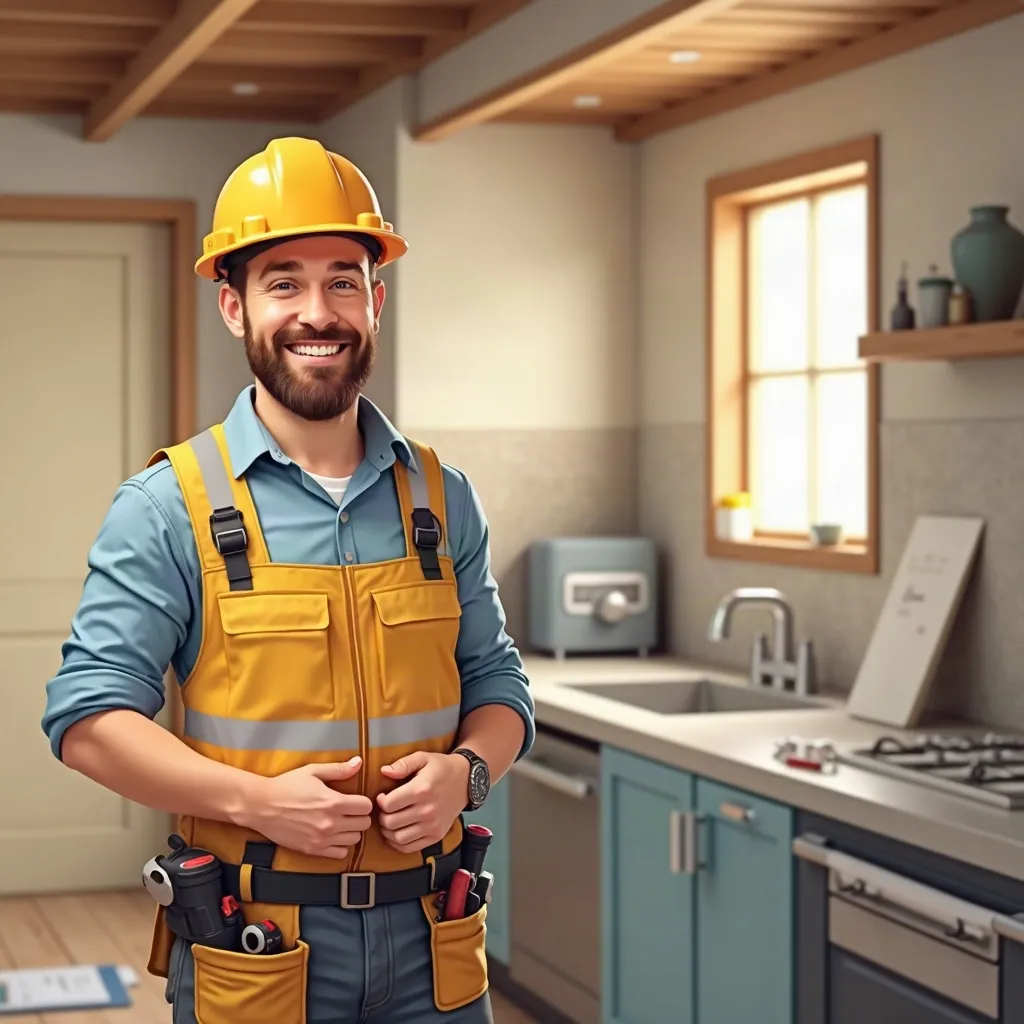
What Is the Role of a General Contractor Accomplish?
A construction manager directs the different components of a construction project, ensuring that everything runs smoothly from beginning to end. They serve as the primary point of contact, overseeing communication between customers, specialized contractors, and vendors. This position includes developing the project timeline, organizing workforce, and ensuring adherence with local building codes and requirements.
General contractors are responsible for acquiring required licenses and arranging inspections, which are vital for upholding safety and quality benchmarks. They also handle budgeting, sourcing materials, and managing on-site activities to prevent any possible setbacks or complications. In addition, they supervise subcontractors, ensuring that each phase of construction conforms to project specifications and timelines. Overall, a general contractor's expertise and organizational skills are essential to delivering a successful construction project, turning a client's vision into reality while managing multiple duties and obligations.
Benefits of Hiring a General Contractor for Home Renovations
Engaging a a skilled builder for home renovations provides multiple perks that can significantly boost the efficiency and quality of the project. General contractors deliver knowledge in project management, ensuring that schedules are followed and resources are allocated efficiently. Their long-standing relationships with subcontractors can result in competitive pricing and outstanding quality, which ultimately helps homeowners by saving both time and money.
Furthermore, general contractors address the complex elements of approvals and reviews, limiting potential legal issues. They also deliver a single point of contact, facilitating communication and coordination among various trades. This consolidation reduces the probability of misunderstandings and delays.
In addition, their experience enables them to foresee potential challenges, facilitating proactive solutions to maintain the project on track. By contracting a general contractor, homeowners can devote attention to their vision while savoring peace of mind, confident that a professional is overseeing every aspect of the renovation.
Dispelling False Beliefs Surrounding Builders
While many property owners may hold misconceptions about contracting professionals, understanding the realities can lead to more educated decisions. One common myth is that hiring a general contractor is not needed for small projects; however, their expertise can streamline even small-scale renovations, ensuring adherence with local codes. Another common belief is that contractors are merely middlemen, but they often possess broad knowledge in multiple areas, enabling them to oversee projects efficiently. Additionally, some homeowners think that working with a contractor will significantly increase costs. In truth, a skilled contractor can often secure better pricing for materials and labor due to established relationships with vendors and subcontractors. Finally, many believe that contractors are rigid, but trusted contractors prioritize client communication and collaborate closely to meet specific needs. Dispelled myths can empower homeowners to leverage the true value of general contractors in achieving successful home projects.
How to Choose the Right General Contractor?
How can homeowners ensure they select the ideal construction professional for their projects? The approach begins with comprehensive investigation. Homeowners should obtain recommendations from friends, family, and online reviews to find potential candidates. Once a list is created, verifying qualifications, such as licensing, insurance, and bonding, is vital to verify legitimacy.
Next, property owners should ask for and examine collections of past projects, focusing on assignments of comparable size. Setting up interviews allows property owners to gauge compatibility, discussing timelines, budgets, and expectations. It's also recommended to obtain multiple quotes for evaluation, related information providing a clear understanding of expenses.
Verifying references gives perspective on a contractor's dependability and expertise. Ultimately, trusting one's instincts is important; an first consultation can expose a contractor's interaction pattern and strategy. By implementing these procedures, homeowners can substantially improve their likelihood of picking a general contractor who suits their project needs and vision.
Effective Dialogue Approaches For Your General Contractor
What strategies can homeowners use to guarantee clear exchanges with their general contractor? Creating direct communication from the inception is essential. Homeowners should clearly articulate their desires, project goals, and budget constraints during first meetings. Consistent information can be facilitated through arranged conferences, making certain that both parties remain synchronized throughout the project.
Using documented records, such as email correspondence and project documentation, serves to reinforce spoken commitments and minimizes misunderstandings. Homeowners should also promote open dialogue by inviting feedback and questions from the contractor, fostering a cooperative atmosphere.
Furthermore, taking advantage of tech solutions, including project management apps, can ease communication by establishing a centralized platform for conveying updates, timelines, and changes. Finally, practicing politeness and openness can strengthen mutual understanding, allowing for it to be more straightforward for the contractor to raise challenges or suggestions with success. By putting into practice these techniques, homeowners can nurture a productive and transparent connection with their general contractor.
What You Should Know When Your Project Kicks Off?
When the project gets underway, homeowners should anticipate a surge of activity on-site. The general contractor will oversee groups of qualified craftspeople, comprising electricians, plumbers, and carpenters, who will begin their labor based on the agreed-upon schedule. Homeowners may spot large equipment and supplies being transported, creating a active environment.
Open communication is crucial during this stage. The contractor will inform progress updates and resolve any concerns that arise. Homeowners should ready themselves for possible interruptions, such as noise and limited access to certain areas of the home.
Safety measures will be in place to preserve both workers and residents, maintaining a secure environment. Additionally, homeowners may be encouraged to maintain flexibility, as unpredictable obstacles can arise, necessitating adjustments to the original plan. Overall, this initial phase initiates the foundation for the successful completion of the project, and active cooperation is essential.
Important Questions for Your Main Contractor Deal?
Pinpointing the suitable topics to discuss when settling a general contractor agreement is fundamental for securing a streamlined project. Homeowners should inquire about the contractor's certification and coverage to validate their credentials and protection against accountability. Understanding the project calendar and benchmarks is significant; therefore, asking about projected completion dates helps establish expectations.
It is also vital to establish contractual agreements, comprising initial contributions and payment schedules, to circumvent misinterpretations. Property buyers should require a itemized summary of expenditures, detailing materials and labor, to confirm transparency. Furthermore, examining the process for tackling revisions or unexpected obstacles can preclude conflicts subsequently.
In conclusion, property owners must research information about the qualifications of their subcontractors, as well as the communication strategy of the contractor throughout the project. By reviewing these points, homeowners can develop a strong relationship with their lead contractor, ultimately achieving a successful construction project.
Often Asked FAQs
How Do General Contractors Charge for Their Services?
General contractors typically charge via set fees, hourly rates, or a cut of the total project price. Their pricing may also include supplies needed, human resources, and overhead, determined by the level of complexity and project scope.
Can a General Contractor Help With Licenses and Assessments?
Yes, a general contractor can aid in obtaining permits and overseeing inspections. They typically navigate local codes and guarantee compliance, streamlining the process for homeowners while facilitating necessary approvals throughout the construction project.
What Qualities Should I Locate in a General Contractor?
When selecting a construction professional, one should consider credentials such as proper licensing, insurance, expertise with similar work, strong references, and strong communication abilities, guaranteeing they have the required knowledge to oversee the project effectively.
What Duration Should You Anticipate for a Typical Home Remodeling Project?
A everyday home renovation project can go anywhere from a few weeks to several months, subject to the extent, difficulty, and size of the project, as well as the availability of materials and labor.
What Transpires if My Project Surpasses Financial Limits?
If a project exceeds the budget, the builder typically discusses the reasons and options with the homeowner. Changes may consist of scaling back, seeking additional funding, or revising the project scope to match budget constraints.
Report this page